Why Some Children Struggle With Reading and Spelling

Many parents become concerned when their child begins school and reading or spelling doesn’t seem to come easily. While some variation in learning is normal, persistent difficulties with reading and spelling can sometimes indicate underlying language or literacy challenges.
The good news is that with the right support, children can make excellent progress. Understanding why these difficulties occur is the first step.
Reading and Spelling Are Complex Skills
Reading and spelling may seem straightforward, but they actually rely on a number of important skills working together, including:
Phonological awareness – the ability to hear and manipulate sounds in words
Vocabulary knowledge – understanding the meaning of words
Working memory – holding information in the mind while processing it
Language comprehension – understanding sentences and stories
Speech sound knowledge – recognising how sounds connect to letters
If one or more of these skills is weaker, children may find reading and spelling more challenging.
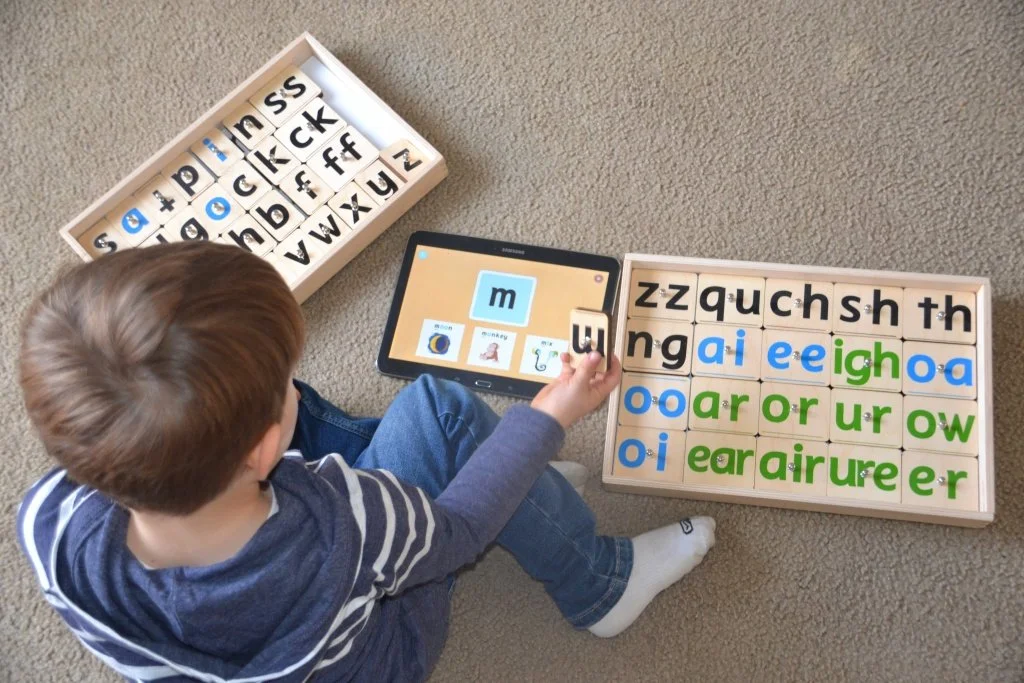
Common Reasons Children Struggle With Reading
1. Difficulty Hearing the Sounds in Words
One of the most common reasons children struggle with reading is difficulty with phonological awareness.
For example, a child may find it hard to:
break words into sounds (cat → c-a-t)
blend sounds together
identify rhyming words
These skills are foundational for learning phonics and decoding words when reading.
2. Speech Sound Difficulties
Children who have ongoing speech sound errors sometimes experience difficulties with literacy as well.
If a child has trouble producing certain sounds, it may also affect their ability to recognise those sounds in words, which can make spelling and reading more difficult.
3. Language Development Challenges

Strong oral language skills are the foundation of reading comprehension.
Children who have difficulties with:
vocabulary
grammar
understanding longer sentences
may be able to read words but struggle to understand what they are reading.
4. Limited Reading Practice
Confidence plays a big role in literacy development.
Children who find reading difficult may begin to avoid it, which means they get less practice. Over time this can widen the gap between them and their peers.
5. Specific Learning Differences (Such as Dyslexia)
Some children have a specific learning difference that affects reading and spelling development.
Dyslexia is one example and often involves difficulties with phonological processing, decoding words, and spelling.
With appropriate intervention and support, children with dyslexia can learn effective strategies to become successful readers.
Signs Your Child May Need Extra Support
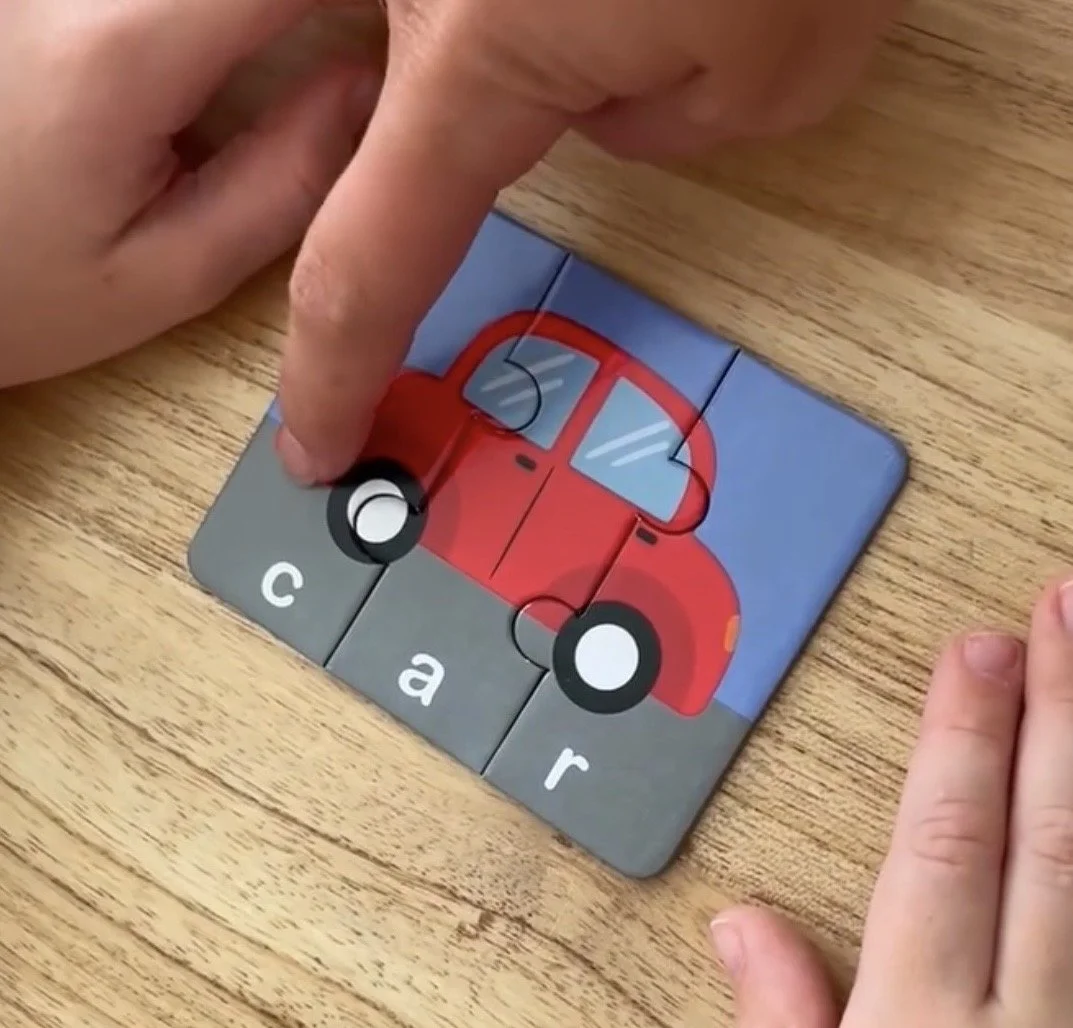
Some signs that a child may benefit from additional support include:
Reading slowly or with a lot of effort
Guessing words rather than sounding them out
Difficulty spelling common words
Avoiding reading tasks
Struggling to remember letter sounds
Low confidence with reading aloud
If these difficulties continue over time, it can be helpful to seek professional advice.
How Speech Pathologists Help With Reading and Spelling
Speech-language pathologists work with children to strengthen the underlying skills needed for literacy.
Therapy may focus on:
phonological awareness
phonics and decoding skills
vocabulary development
reading fluency
spelling strategies
comprehension skills
Sessions are tailored to each child’s needs and designed to build both skills and confidence.

Early Support Makes a Big Difference
When reading and spelling difficulties are addressed early, children often make faster progress and feel more confident in the classroom.
If you’re concerned about your child’s literacy development, seeking support early can help prevent frustration and build a strong foundation for learning.
Online Speech Therapy for Literacy Support
At Online Speech Therapy, our experienced Australian speech-language pathologists support children with reading, spelling, speech, and language development through personalised online therapy sessions.
Online therapy allows children to access high-quality support from home while engaging in interactive activities designed to build literacy skills.
If you’re wondering whether your child might benefit from support, we would be happy to help.
Book a free consultation to learn more about how speech therapy can support your child’s reading and spelling development.